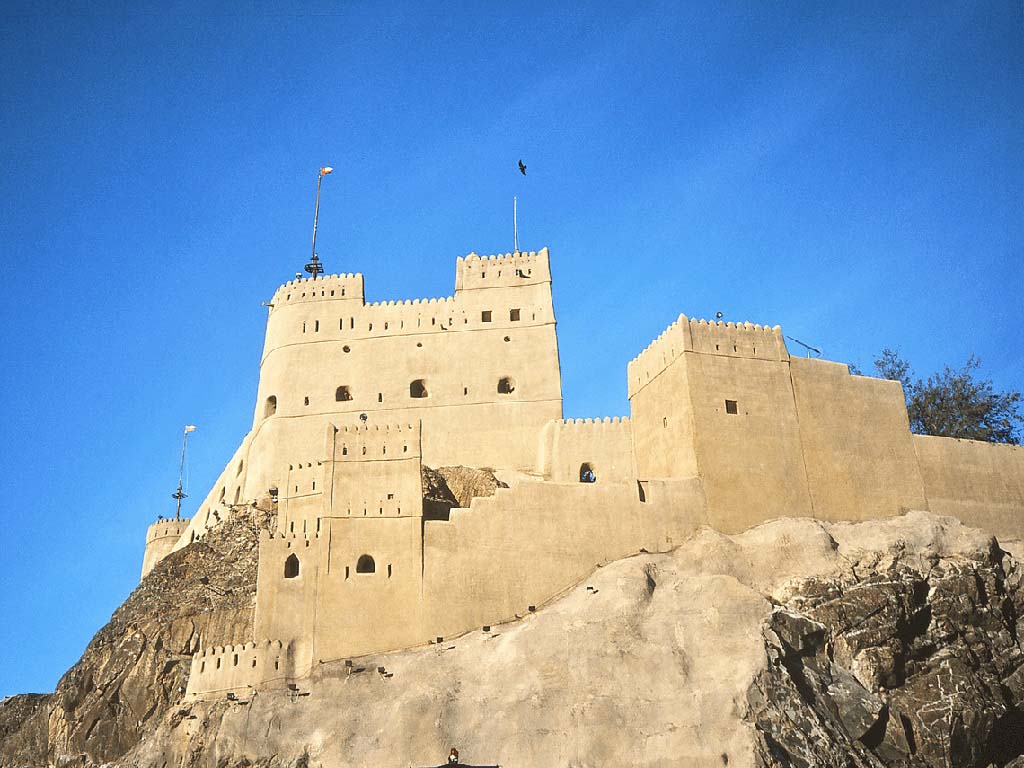
In earlier times, the old city of Maskat / Muscat was the centre of maritime trade, the seat of the sultans and at times a base for the Portuguese fleet. The ships were able to take on vital water for their long voyages thanks to a pipeline that led directly from the mountains to the harbour. The harbour was considered one of the safest of its time. The cliffs in the sea kept out the strong winds, while the ring of mountains around the city protected it from attacks from inland.
The names of a number of ships that landed here in the past are written in large letters on the rocks like a stone book - these "entries" can only be seen from the seaward side. Today, the closest harbour is in the nearby district of Muttrah, as is the souq.
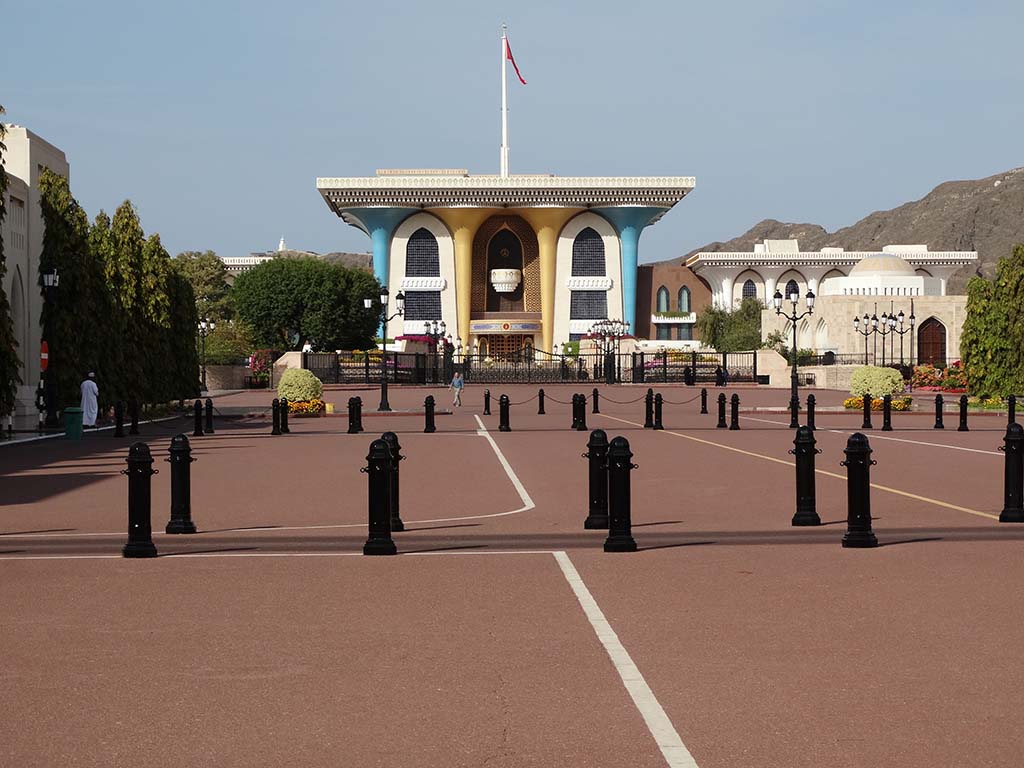
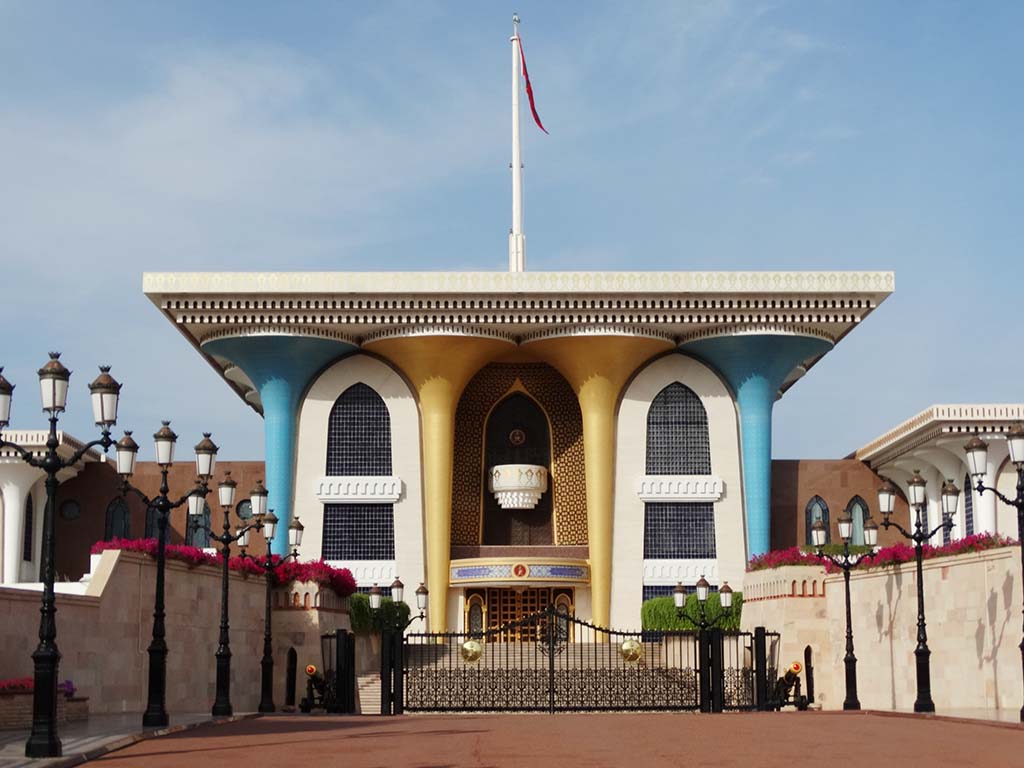
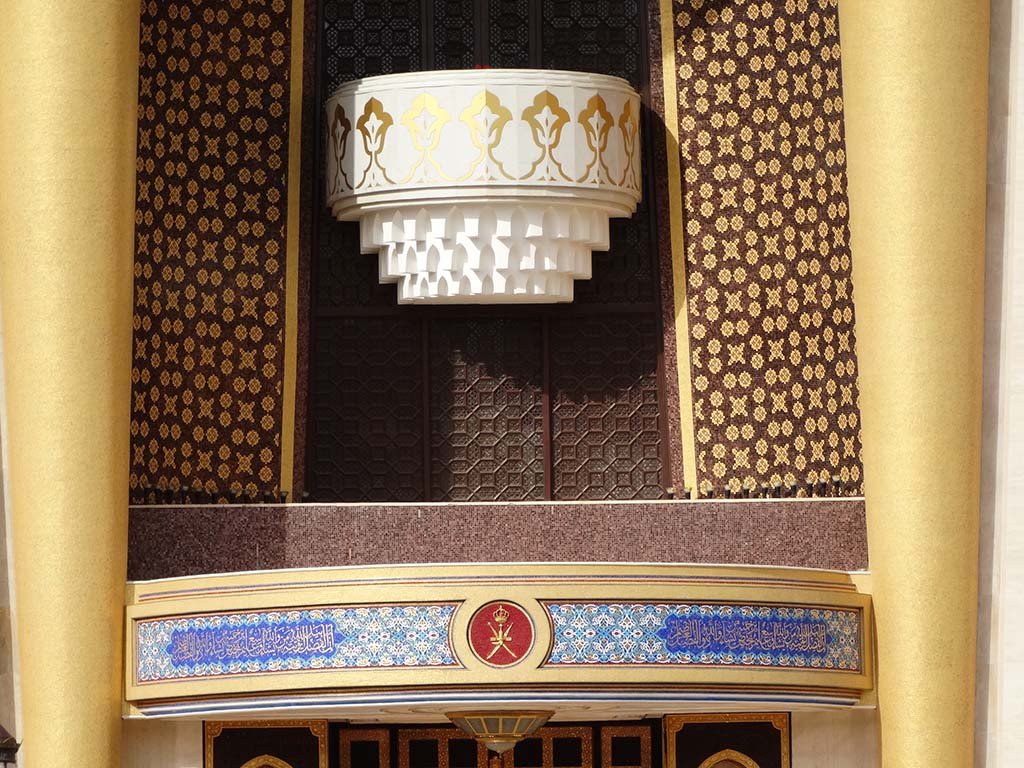
The so-called historic Muscat is now the centre for the administration of the modern Omani state with palace buildings, government buildings, the National Museum and Bait al Zubair Museum. There are hardly any historic buildings left. Certainly the most prominent sight is the Al Alam Palace of Sultan Qaboos, which was designed by an Indian architect in the 1970s. The overall cityscape is dominated by the two fortresses of Jalali and Mirani. They were completed by the Portuguese at the end of the 16th century to protect against Turkish invasions.
➤ More pictures from the Muscat capital area
➤Hotels in the Muscat Capital Area



Your contacts for travelling with Arabia Felix:
Maria Popp and Karin Nowack
Phone: +49 (0)89 / 30 77 92 00
info@oman.de
ARABIA FELIX Synform GmbH
Treffauerstraße 18
81373 München
Germany
Tel: +49 89/30779200
E-Mail: info@oman.de
VAT-ID: DE201885274